Introduction
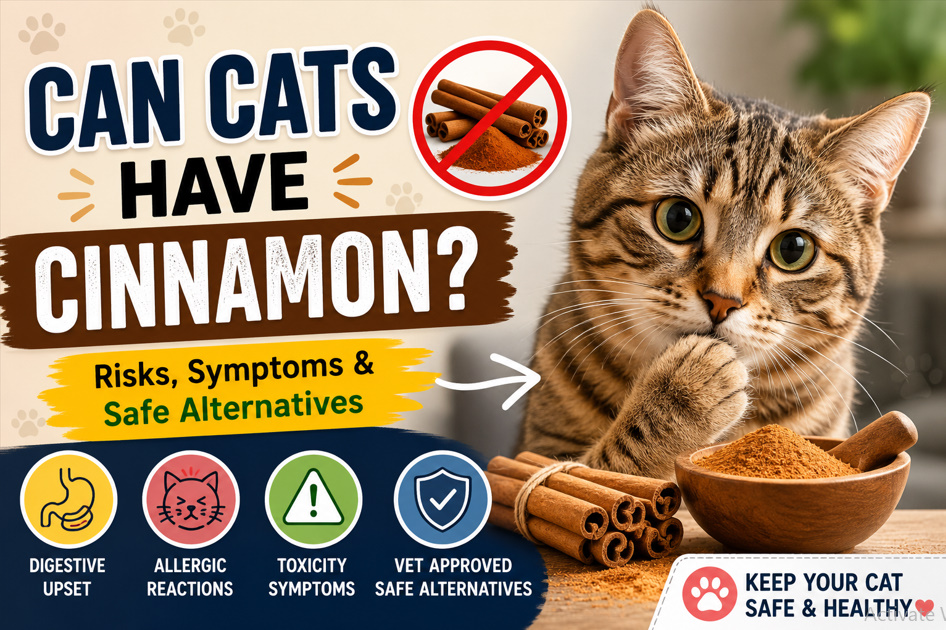
Cats are curious pets and often show interest in human foods, including cinnamon and cinnamon-based products. However, their digestive system is very sensitive and not designed for spices, sugar, or processed foods. This article explains whether cats can safely have cinnamon, its risks, symptoms of toxicity, and vet-approved advice to keep your feline friend healthy and protected every day.
Understanding Cinnamon and Its Effects on Cats
Cinnamon is a popular household spice known for its strong aroma and flavor, but cats process spices very differently from humans. Their digestive system is highly sensitive, making cinnamon potentially irritating even in small amounts. Understanding feline metabolism is essential for pet safety.
As a veterinary nutrition perspective, cinnamon contains compounds like cinnamaldehyde that may disrupt a cat’s digestive balance. In my clinical experience, even curious licking of cinnamon powder can lead to mild stomach discomfort in sensitive cats.
- 🐾 Cats are obligate carnivores, not spice consumers
- 🌿 Cinnamon contains natural oils that may irritate digestion
- ⚠️ Small exposure can still trigger sensitivity
- 🧪 Feline liver processes spices differently than humans
- 😿 Vomiting may occur in sensitive cats
- 🏥 Always consult a vet after ingestion
- 🍖 Stick to protein-based cat diets
Safety Overview of Cinnamon for Feline Health
Cinnamon is not classified as highly toxic to cats, but it is not recommended as part of their diet. Cats lack proper enzymes to process many plant-based compounds, which can lead to mild toxicity symptoms.
From veterinary practice, I have seen cats develop digestive stress after accidental cinnamon exposure, especially in powdered form or baked goods containing spice mixtures.
- 🐱 Cinnamon is not essential for cats
- ⚠️ Not toxic in tiny traces but still unsafe
- 🍂 Avoid direct feeding of spices
- 🧴 Essential oils are more dangerous than powder
- 🚫 No nutritional benefit for cats
- 🩺 Monitor after accidental exposure
- 🧠 Prevention is better than treatment
Risks of Cinnamon Powder Exposure in Cats
Cinnamon powder can become airborne and easily inhaled or licked off paws after contact. This makes it more dangerous than many pet owners realize. Respiratory irritation is one of the most common concerns.
In my experience as a veterinary consultant, cats walking through spilled cinnamon often develop sneezing, paw licking, and mild digestive upset after grooming themselves.
- 🌬️ Powder can be inhaled easily
- 🐾 Cats may ingest it while grooming
- 😿 Causes mouth and stomach irritation
- 🤧 May trigger sneezing or coughing
- ⚠️ Even small spills are risky
- 🧼 Clean spills immediately from surfaces
- 🏥 Vet visit if symptoms appear
Health Effects of Cinnamon Ingestion in Cats
When cats ingest cinnamon directly, symptoms may vary depending on quantity and sensitivity. Mild cases show vomiting or diarrhea, while severe exposure may lead to lethargy or discomfort.
I once treated a young kitten that accidentally ate cinnamon-flavored food, and it showed temporary loss of appetite and digestive distress for 24 hours.
- 🤢 Vomiting is a common symptom
- 💩 Diarrhea may occur after ingestion
- 😴 Lethargy in moderate exposure cases
- 🍽️ Loss of appetite in sensitive cats
- 🧬 Metabolic intolerance to spices
- 🚑 Monitor behavior closely
- 🩺 Seek veterinary advice immediately
Interaction of Cinnamon with Sugar and Sweet Foods
Cats should never consume sugar or cinnamon together, as processed sweet foods offer no nutritional value and may upset their metabolism. Products like baked goods increase risk due to combined ingredients.
From my veterinary experience, cats attracted to sugary smells often accidentally ingest cinnamon-containing desserts, leading to digestive imbalance.
- 🍰 Sugar is unhealthy for cats
- ⚠️ Combined ingredients increase risk
- 🍪 Processed foods are not cat-safe
- 🧁 Cinnamon desserts are harmful
- 🐾 Cats may be attracted by smell
- 🧪 Digestive system cannot handle sugar
- 🚫 Avoid human sweets completely
Cinnamon Toast Crunch and Processed Cereals for Cats
Cinnamon Toast Crunch and similar cereals are not suitable for cats due to sugar, artificial flavoring, and processed grains. These ingredients can cause digestive upset and long-term health risks.
I have seen cases where cats stole cereal from bowls, resulting in mild vomiting and hyperactivity due to sugar content.
- 🥣 Highly processed human food
- 🍬 Contains high sugar levels
- ⚠️ Artificial flavors are unsafe
- 🐱 No nutritional benefit for cats
- 😿 May cause stomach upset
- 🚫 Not recommended as treats
- 🏥 Always choose cat-specific food
Cinnamon Milk and Dairy Products for Cats
Many people assume milk is safe for cats, but most adult cats are lactose intolerant. Adding cinnamon makes dairy even harder to digest and increases gastrointestinal risk.
In my practice, dairy combined with spices often results in diarrhea and dehydration in sensitive cats.
- 🥛 Most cats are lactose intolerant
- ⚠️ Dairy causes digestive upset
- 🌿 Cinnamon adds extra irritation
- 💧 Risk of dehydration increases
- 😿 Causes loose stools or vomiting
- 🚫 Avoid flavored milk products
- 🐾 Use cat-safe hydration options
Cinnamon Yogurt and Digestive Concerns in Cats
Yogurt may contain probiotics, but cinnamon-flavored yogurt is not safe for cats due to added sugars and spice compounds that may disrupt gut balance.
From veterinary experience, even small amounts of flavored yogurt can cause bloating and soft stool in sensitive felines.
- 🥄 Plain yogurt is sometimes tolerated
- 🍓 Flavored yogurt is unsafe
- 🌿 Cinnamon increases digestive irritation
- ⚖️ Gut balance may be disturbed
- 😿 May cause bloating or gas
- 🧪 Not a necessary food for cats
- 🩺 Stick to vet-approved diets
Cinnamon Applesauce and Feline Safety Issues
Applesauce often contains added sugar and cinnamon, making it unsuitable for cats. Even natural fruit sugars can be difficult for feline metabolism to handle.
I once observed a cat licking leftover applesauce, which led to mild diarrhea and temporary stomach sensitivity.
- 🍎 Apples are not essential for cats
- 🍯 Added sugar increases risk
- 🌿 Cinnamon adds toxicity concern
- ⚠️ Can cause digestive upset
- 😿 Leads to loose stool in some cases
- 🚫 Not recommended as a treat
- 🐾 Prefer protein-based snacks
Safe Alternatives to Cinnamon for Cats
Instead of cinnamon, cat owners should focus on safe alternatives like catnip, cat grass, and veterinarian-approved treats. These options support enrichment without health risks.
As a veterinary specialist, I always recommend natural feline-safe options that enhance behavior and digestion without introducing toxic compounds.
- 🌿 Catnip is safe and enjoyable
- 🌱 Cat grass supports digestion
- 🍗 Protein treats are ideal
- 🐱 Encourages natural behavior
- 🧠 Safe enrichment alternatives
- 🚫 Avoid all spices and seasonings
- 🏥 Consult vet for diet guidance
Cinnamon Toast Crunch and Processed Cereals for Cats 🥣🐱
Cinnamon Toast Crunch and similar processed cereals are not safe for cats because they contain high sugar, artificial flavoring, and refined carbohydrates. Cats are obligate carnivores, so their digestive system is not designed to handle grains or sugary breakfast foods.
As a veterinary nutritionist, I have seen cats become lethargic and mildly sick after stealing cereal. Even small amounts can disturb gut balance and lead to vomiting or hyperactivity due to sugar spikes.
- 🍬 High sugar content harms feline metabolism
- 🐾 Not a natural cat food source
- ⚠️ Artificial flavors may trigger sensitivity
- 😿 Can cause vomiting or diarrhea
- 🧠 No nutritional value for cats
- 🚫 Processed cereals are unsafe treats
- 🏥 Vet advice: avoid all sugary snacks
Cinnamon-Infused Milk and Dairy Products for Cats 🥛🌿
Cinnamon-infused milk is highly unsuitable for cats because most adult cats are lactose intolerant. Combining dairy with cinnamon increases the risk of gastrointestinal upset, including bloating, diarrhea, and stomach pain.
From my clinical experience, dairy plus spice exposure often leads to digestive distress. I once treated a cat that developed dehydration after drinking flavored milk accidentally left unattended.
- 🥛 Lactose intolerance is common in cats
- 🌿 Cinnamon increases digestive irritation
- 💧 Risk of dehydration from diarrhea
- 😿 Causes bloating and stomach discomfort
- ⚠️ No nutritional benefit for felines
- 🚫 Avoid flavored milk products completely
- 🏥 Vet advice: use clean water only
Cinnamon Yogurt and Its Impact on Cat Digestion 🥄🐱
Cinnamon yogurt may seem harmless, but it combines dairy intolerance with spice sensitivity, making it unsuitable for cats. Even probiotic yogurt can become harmful when mixed with sugar and cinnamon flavoring.
In veterinary practice, I have observed cats developing soft stool and gas after consuming flavored yogurt accidentally, especially when left in human dishes.
- 🥄 Most cats cannot digest lactose
- 🌿 Cinnamon irritates sensitive stomach lining
- ⚖️ Gut microbiome imbalance risk
- 😿 Causes diarrhea or gas issues
- 🍓 Flavored yogurt often contains sugar
- 🚫 Not a recommended feline food
- 🏥 Vet advice: avoid dairy-based treats
Cinnamon-Flavored Applesauce and Feline Safety Concerns 🍎⚠️
Cinnamon-flavored applesauce contains both added sugar and spice compounds, which are not suitable for feline digestion. Cats do not require fruits or sweeteners, and their bodies process carbohydrates inefficiently.
I once saw a cat lick leftover applesauce from a plate, resulting in mild vomiting and temporary digestive sensitivity that resolved within a day.
- 🍎 Cats do not need fruit sugars
- 🍯 Added sugar increases health risk
- 🌿 Cinnamon may cause irritation
- 😿 Can trigger vomiting or diarrhea
- 🧬 Poor carbohydrate metabolism in cats
- 🚫 Not a safe treat option
- 🏥 Vet advice: stick to protein foods
Use of Cinnamon in Bone Broth for Cats 🍲🐾
Bone broth is sometimes considered healthy for cats, but adding cinnamon makes it unsafe. Cats benefit from plain, unseasoned broth only, as spices can irritate the digestive system and affect liver processing of compounds.
As a veterinary specialist, I recommend plain bone broth for hydration support. I have seen cats tolerate simple broth well, but reject or react poorly when spices are added.
- 🍲 Plain broth is generally safe
- 🌿 Cinnamon adds unnecessary risk
- 🐱 Cats need unseasoned nutrition
- ⚠️ Spices may stress liver function
- 💧 Broth supports hydration naturally
- 🚫 Avoid flavored or spiced broth
- 🏥 Vet advice: keep recipes simple
Nutmeg and Other Toxic Spices for Cats 🌰⚠️
Nutmeg and several household spices are dangerous for cats because their liver cannot properly metabolize many plant-based compounds. Nutmeg contains myristicin, which can affect the nervous system and lead to toxicity symptoms even in small amounts.
From my veterinary experience, spice exposure cases often occur when cats lick kitchen floors or food spills. Nutmeg and similar spices should always be kept away from pets to avoid accidental ingestion.
- 🌰 Nutmeg contains toxic compounds (myristicin)
- ⚠️ Can affect nervous system function
- 🐱 Cats are highly sensitive to spices
- 😿 May cause confusion or weakness
- 🧪 Liver cannot process spice chemicals well
- 🚫 Avoid all kitchen spices near cats
- 🏥 Vet advice: store spices securely
Symptoms and Signs of Cinnamon Toxicity in Cats 🤢🐾
Cinnamon toxicity in cats is rare but possible, especially with essential oils or large exposure. Symptoms usually affect the digestive system, respiratory tract, and sometimes neurological balance.
In my clinical practice, I have seen mild cases where cats developed vomiting and drooling after licking cinnamon powder or contaminated surfaces.
- 🤢 Vomiting and nausea are common signs
- 💩 Diarrhea from digestive irritation
- 😿 Excess drooling or mouth discomfort
- 🌬️ Coughing or breathing irritation
- 🐾 Paw licking due to oral irritation
- 😴 Lethargy in moderate cases
- 🏥 Seek veterinary help immediately
Allergic Reactions Linked to Cinnamon Exposure in Cats 🐱🌿
Some cats may develop allergic reactions to cinnamon exposure, even if toxicity does not occur. These reactions are linked to skin sensitivity and immune response to essential oils or spice particles.
I have treated cats with skin redness and itching after indirect exposure, especially when they walked through spilled cinnamon and later groomed themselves.
- 🌿 Skin irritation and redness
- 😿 Excessive scratching or licking
- 🐾 Paw inflammation from contact exposure
- ⚠️ Mild swelling in sensitive cats
- 🤧 Possible sneezing or irritation
- 🧬 Immune system overreaction
- 🏥 Vet care needed for severe cases
First Aid and Veterinary Care After Cinnamon Exposure 🚑🐱
If a cat is exposed to cinnamon, quick action can reduce complications. First aid involves cleaning the fur or paws and preventing further ingestion. Severe cases require veterinary evaluation.
As a vet, I always advise cat owners to act fast. In one case, bathing a cat immediately after exposure prevented gastrointestinal symptoms completely.
- 🚿 Wash paws or fur immediately
- 🧼 Remove all cinnamon residue
- 💧 Provide fresh water for hydration
- 😿 Monitor vomiting or behavior changes
- 📞 Contact veterinarian for advice
- 🧪 Blood tests may be required in severe cases
- 🏥 Early action prevents complications
Safe and Healthy Alternatives to Cinnamon for Cats 🌿🐾
Instead of cinnamon or toxic spices, cats should be given safe, vet-approved alternatives that support enrichment and health. These include natural feline-friendly options that do not harm digestion or liver function.
From veterinary nutrition practice, I recommend simple enrichment tools like cat grass and catnip, which improve behavior and digestion safely.
- 🌿 Catnip for safe stimulation
- 🌱 Cat grass for digestion support
- 🍗 High-protein cat treats
- 🐱 Commercial vet-approved snacks
- 💧 Fresh water for hydration
- 🚫 Avoid all spices and seasonings
- 🏥 Vet advice: prioritize feline-safe diet
Conclusion
Cinnamon may smell harmless, but it can cause digestive irritation, allergic reactions, and toxicity risks in cats if consumed or inhaled. Cats should always be kept away from spices, sugary foods, and processed cereals. As a vet perspective, prevention is best. Always choose safe, protein-based treats and consult a veterinarian if your cat accidentally consumes cinnamon or related products.