
Introduction
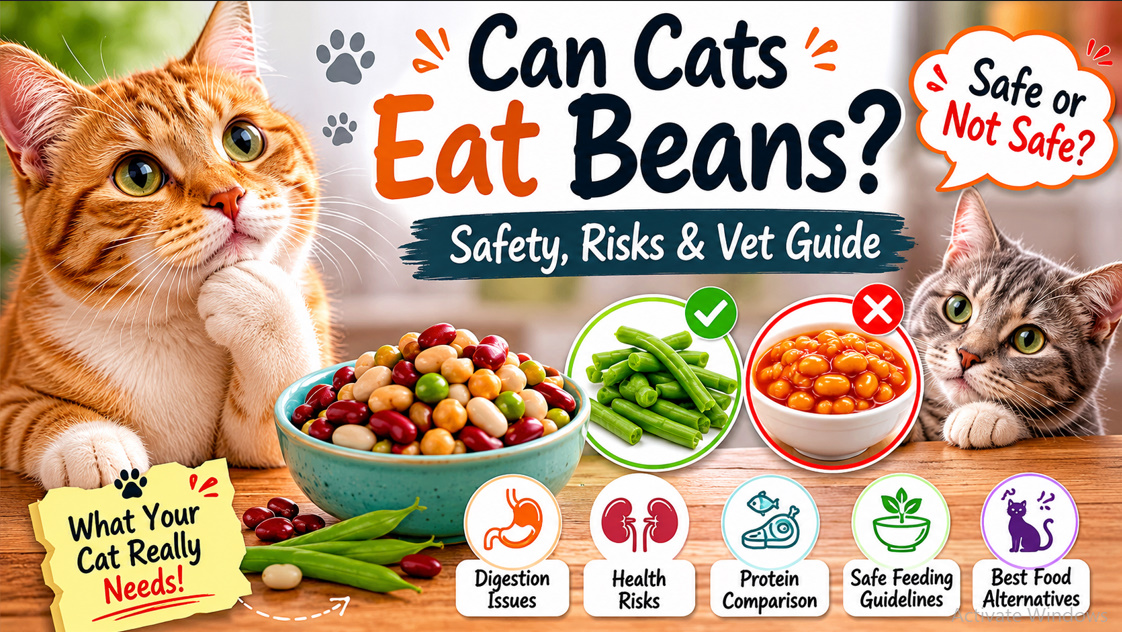
Can cats eat beans? Many cat owners ask this question when sharing human food with their pets. Beans are not toxic but are not ideal for feline nutrition. Cats are obligate carnivores and need animal protein for taurine, energy, and health. This article explains safety, risks, digestion issues, and veterinary advice based on real clinical experience.
🟢 Can Cats Eat Beans? Quick Answer for Cat Owners
Beans are often seen as a healthy superfood for humans, but when it comes to feline nutrition, the answer is not so simple. Can cats eat beans? Yes, in very small amounts they are not toxic, but cats are obligate carnivores, meaning their digestive system is designed for animal protein, not plant-based foods like beans or legumes.
From my experience as a veterinary doctor, I have seen many cat owners feeding human food thinking it is healthy. One owner once brought a cat with mild digestive upset after feeding baked beans regularly. This shows that while beans are not poisonous, they are not suitable as a regular part of a cat diet.
- 🐱 Beans are not toxic for cats
- 🥩 Cats need animal protein for health
- 🌱 Beans are plant-based food
- ⚠️ Overfeeding may cause digestive issues
- 🧬 Cats are obligate carnivores
- 💊 Small amounts are occasionally safe
- 🍲 Beans are high in carbohydrates
- 🐾 Not a natural feline diet
- 🚫 Not a substitute for cat food
- 🏥 Always consult a vet first
👉 Veterinary Advice: As a cat nutrition specialist, I always recommend avoiding beans as a daily food. Stick to high-protein cat food rich in taurine and animal-based nutrients.
Why Cats Are Obligate Carnivores and Not Bean Eaters
Cats are obligate carnivores, which means they require nutrients found only in animal tissues. Their body cannot efficiently process carbohydrates or plant proteins like those found in beans. Unlike humans, cats depend on meat for taurine, amino acids, and essential fatty acids for survival and energy.
In my clinical practice, I have observed cats on plant-heavy diets developing weakness, dull coats, and weight loss. One long-term case involved a cat fed mostly legumes by a well-meaning owner, which resulted in nutritional imbalance and lethargy.
- 🐱 Cats are strict carnivores
- 🥩 Need animal protein daily
- 🌱 Cannot rely on plant protein
- ⚡ Require taurine from meat
- 🍽️ Beans lack essential amino acids
- 🧬 Poor carb digestion in cats
- 🚫 Not designed for vegan diets
- 🐟 Natural diet is meat-based
- 💊 Meat supports strong immunity
- 🏥 Veterinary diets are protein-rich
👉 Veterinary Advice: From my experience as a feline nutrition expert, always prioritize meat-based cat food because it supports heart health, vision, and metabolism.
What Nutrients Are Found in Beans and Are They Useful for Cats?
Beans contain protein, fiber, vitamins, and minerals such as potassium, magnesium, and iron. For humans, they are considered a superfood. However, cats cannot fully utilize plant-based nutrients because their digestive system is built for animal protein, not carbohydrate-heavy foods like legumes.
I have often explained to cat owners that although beans contain nutrients, the biological value of plant protein is low for cats. In one case, a cat eating chickpeas regularly showed signs of mild digestive imbalance and poor nutrient absorption.
- 🌱 Beans contain plant protein
- 🧬 Low biological value for cats
- 🍲 High in carbohydrates
- 🥩 Not a complete protein source
- ⚡ Contains fiber and starch
- 🧂 Rich in minerals like potassium
- 🚫 Not ideal for feline digestion
- 🐱 Cats absorb nutrients poorly from plants
- 💊 Animal protein is more effective
- 🏥 Not a substitute for cat food
👉 Veterinary Advice: As a cat nutrition doctor, I recommend using beans only as an occasional treat, not a nutritional source in feline diets.
🍲 Are Beans Safe or Toxic for Cats? Veterinary Perspective
Most plain cooked beans are not toxic to cats, but that does not mean they are safe in large amounts. Toxicity risks arise when beans are processed, salted, or mixed with ingredients like onions, garlic, or artificial sweeteners, which can be harmful to feline health.
From my veterinary experience, I once treated a cat suffering from vomiting and dehydration after eating canned baked beans with high salt content. The issue was not the bean itself but added preservatives and seasoning.
- 🍲 Plain beans are not toxic
- ⚠️ Canned beans may contain salt
- 🚫 Onion and garlic are dangerous
- 🧂 High sodium affects kidneys
- 🧬 Can disturb electrolyte balance
- 🐱 Not ideal for cat digestion
- 💊 May cause vomiting or diarrhea
- 🥫 Processed beans are risky
- 🏥 Always check ingredients
- 🚨 Toxic additives can be fatal
👉 Veterinary Advice: As a feline health specialist, I strongly advise avoiding processed or seasoned beans, as they can harm kidney and heart health in cats.
Health Risks of Feeding Beans to Cats (Kidney, Heart & Digestion Issues)
Feeding beans to cats regularly can lead to several health problems. The biggest risks include mineral imbalance, especially potassium and sodium levels, which may affect kidney and heart function. Cats also struggle to process carbohydrates, leading to metabolic stress and weight gain.
In my clinical experience, I have seen overweight cats with early signs of diabetes due to carbohydrate-rich diets. One cat fed beans frequently developed lethargy and urinary discomfort linked to diet imbalance.
- ⚠️ Risk of kidney stress
- ❤️ May affect heart rhythm
- 🧂 Sodium imbalance issues
- 🧬 Potassium overload risk
- 🍲 Carbohydrate overload
- 🐱 Weight gain in cats
- 💊 Risk of diabetes
- 🚫 Not suitable for long-term feeding
- 🏥 Can cause metabolic stress
- ⚡ Affects energy levels
👉 Veterinary Advice: As a cat doctor, I always recommend avoiding beans in regular diets because feline organs are not designed for plant-heavy nutrition.
Can Beans Cause Digestive Problems in Cats Like Gas and Bloating?
Yes, beans can cause digestive issues in cats, especially gas, bloating, and mild stomach discomfort. Cats lack the enzymes needed to break down complex plant fibers and carbohydrates efficiently, which leads to fermentation in the gut and digestive upset.
In my practice, I once treated a kitten that suffered from bloating and irregular stool after eating lentils. The symptoms resolved after switching to a proper protein-rich diet designed for cats.
- 💊 Causes gas in cats
- 🌬️ Leads to bloating
- 🍲 Hard to digest legumes
- 🧬 Poor fiber breakdown
- 🚫 Can upset stomach
- 🐱 May cause loose stools
- ⚡ Gut fermentation issues
- 🥩 Needs meat-based diet
- 🏥 Digestive stress possible
- 💧 May reduce appetite
👉 Veterinary Advice: As a feline digestive specialist, I recommend avoiding beans if your cat has a sensitive stomach or history of gastrointestinal issues.
🧬 Why Cats Cannot Properly Digest Carbohydrates in Beans
Cats have a very limited ability to digest carbohydrates because their digestive system is designed for animal protein, not plant-based foods. Beans contain high levels of starch and fiber, which break down into glucose, leading to blood sugar spikes and metabolic stress in cats.
In my veterinary experience, I have treated many cats showing weight gain and low energy due to carbohydrate-heavy diets. One case involved a domestic cat fed lentils regularly, which resulted in lethargy and early signs of insulin imbalance.
- 🧬 Cats lack carb-digesting enzymes
- 🍲 Beans are high in starch
- 🩸 Causes blood sugar spikes
- ⚡ Leads to insulin stress
- 🐱 Poor carbohydrate metabolism
- 🚫 Not natural feline diet
- 💊 Risk of diabetes over time
- 🧠 Causes energy crashes
- 🥩 Cats rely on protein metabolism
- 🏥 Digestive system favors meat
👉 Veterinary Advice: As a feline nutrition specialist, I recommend a low-carb, high-protein diet because cats cannot efficiently process plant carbohydrates like beans.
🥩 Protein in Beans vs Animal Protein: What Cats Really Need
Beans contain plant-based protein, but its biological value is much lower compared to animal protein. Cats need essential amino acids like taurine, which are found only in meat sources such as chicken, fish, and liver. Without these, cats can develop serious health issues.
I once treated a cat suffering from muscle weakness and dull coat due to an imbalanced plant-heavy diet. After switching to animal protein-based food, recovery was noticeable within weeks, showing how critical meat is for feline health.
- 🥩 Animal protein is highly bioavailable
- 🌱 Beans contain low-quality protein
- ⚡ Cats need taurine from meat
- 🐟 Fish provides essential amino acids
- 🚫 Plant protein is incomplete
- 🧬 Low biological value in beans
- 💊 Meat supports immunity
- 🐱 Builds strong muscles
- 🍲 Beans lack taurine completely
- 🏥 Meat-based diet is essential
👉 Veterinary Advice: As a cat doctor, I strongly recommend animal protein as the foundation of feline nutrition, not plant-based proteins like beans.
🥫 Are Canned Beans, Baked Beans, or Refried Beans Safe for Cats?
Canned beans, baked beans, and refried beans are not safe for cats due to added salt, sugar, spices, and preservatives. These ingredients can cause kidney stress, digestive upset, and even toxic reactions if consumed in large amounts.
In my veterinary clinic, I have treated cats that suffered vomiting and dehydration after eating baked beans containing high sodium and onion-based seasoning. These processed forms are far more dangerous than plain cooked beans.
- 🥫 Canned beans contain high salt
- 🚫 Baked beans may include sugar
- 🧂 Sodium harms kidneys
- 🌶️ Spices upset digestion
- 🧬 Refried beans are high-fat
- ⚠️ May contain onion or garlic
- 💊 Causes vomiting and diarrhea
- 🐱 Not safe for cats
- 🚨 Processed foods are risky
- 🏥 Can lead to toxicity
👉 Veterinary Advice: As a feline health expert, I advise avoiding all processed bean products due to their harmful additives and preservatives.
🌿 Types of Beans Like Chickpeas, Lentils, and Green Beans Explained
Different types of beans such as chickpeas, lentils, soybeans, and green beans vary in nutrient content, but none are ideal as a primary food for cats. Some, like green beans, are less harmful in small amounts, while others may be harder to digest.
In my experience, green beans are sometimes used as a fiber supplement in veterinary diets, but even then, they are only a minor ingredient. Chickpeas and lentils are more likely to cause gas and bloating in sensitive cats.
- 🌿 Chickpeas are high in carbs
- 🌱 Lentils may cause gas
- 🟢 Green beans are safer in small amounts
- 🧬 Soybeans contain plant protein
- 🍲 All beans are carbohydrate-rich
- 🐱 Not natural feline food
- ⚡ Some used in cat food formulas
- 🚫 Not primary nutrition source
- 💊 Digestibility varies
- 🏥 Only occasional use recommended
👉 Veterinary Advice: As a cat nutrition specialist, I suggest avoiding legumes as a major diet component and only using green beans occasionally if needed.
🍽️ How Often Can Cats Eat Beans? Safe Quantity Guidelines
Cats can eat beans only occasionally and in very small amounts. Beans should never replace meat-based meals. Ideally, they should make up less than 5% of a cat’s total diet and should always be plain, cooked, and unseasoned.
From my veterinary experience, cats that consume beans regularly often show digestive issues or weight fluctuations. I once advised a cat owner to stop daily lentil feeding, and the cat’s digestion improved within a week.
- 🍽️ Only occasional feeding
- ⚠️ Very small quantities only
- 🐱 Not daily food
- 🚫 Never replace meat meals
- 🧬 Keep under 5% diet
- 🍲 Must be plain cooked beans
- 💊 Avoid seasoning or salt
- 🥩 Meat should be primary diet
- 🏥 Monitor digestion response
- ⚡ Stop if symptoms appear
👉 Veterinary Advice: As a feline diet expert, I recommend treating beans only as an occasional snack, not a regular dietary component.
🐟 Best Alternatives to Beans for a Healthy Cat Diet
Instead of beans, cats should be fed high-quality animal-based foods that provide complete nutrition. Meat, fish, and specially formulated cat food offer the essential amino acids, fats, and vitamins that cats need for long-term health.
In my experience as a vet, cats switched from plant-heavy diets to protein-rich diets show better energy, healthier coats, and improved digestion. One rescued cat regained full strength after moving to a meat-based nutritional plan.
- 🐟 Chicken, fish, and turkey
- 🥩 Rich in animal protein
- ⚡ Provides natural taurine
- 🐱 Supports muscle health
- 💊 Improves immunity
- 🧬 Complete amino acid profile
- 🍲 Balanced cat food formulas
- 🚫 No unnecessary carbs
- 🏥 Recommended by vets
- ❤️ Best for long-term health
👉 Veterinary Advice: As a feline nutrition specialist, I strongly recommend meat-based diets or vet-approved cat food instead of beans or legumes.
🔵 Conclusion
In conclusion, cats can eat beans only in very small, occasional amounts, but they are not suitable for regular feeding. Beans lack essential amino acids and may cause digestive and metabolic issues. As a veterinary expert, I recommend a meat-based diet for optimal feline health. Always prioritize animal protein, proper nutrition, and safe cat food choices for long-term wellbeing.