
Introduction 🐾
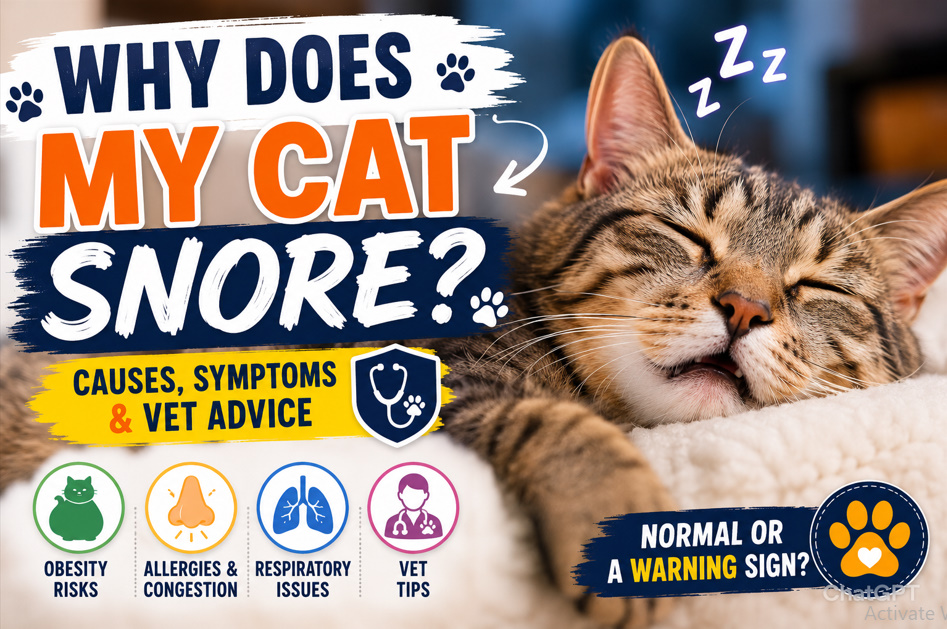
Have you ever heard your cat snoring louder than your uncle after dinner? 😹 Cat snoring is usually adorable, but sometimes it can indicate underlying health issues. From sleeping positions to respiratory conditions, feline snores have many causes. Understanding why your cat snores helps you protect your furry companion’s health while enjoying those tiny nighttime concerts. 🎵🐱
Sleeping Position: The Funny Yoga Master of Cats 😹🛏️
Cats can sleep in the strangest positions imaginable. When your feline twists like a furry pretzel, airways may partially narrow and create vibrations that produce snoring sounds. Flat-faced breeds such as Persians are even more likely to snore because of their facial structure and short nasal passages.
As a veterinarian and cat owner, I once treated a Persian cat named Muffin whose owners feared breathing problems. Surprisingly, Muffin simply loved sleeping upside down. After adjusting bedding and sleeping posture, the adorable snoring became much softer. Sometimes cats truly are tiny comedians disguised as pets. 😂🐾
Veterinary Advice: If snoring only occurs during deep sleep and your cat behaves normally while awake, it is often harmless. Monitor any changes carefully.
- 😺 Cats love strange sleeping poses.
- 💤 Deep sleep increases snoring.
- 🛏️ Soft beds may affect posture.
- 😹 Cats sleep like yoga experts.
- 🐾 Side sleeping reduces snoring.
- 🌙 Snoring often happens at night.
- 😴 Relaxed muscles narrow airways.
- 🐱 Persians snore more often.
- ❤️ Observe breathing patterns daily.
- 👀 Watch for breathing difficulty.
- 📅 Track snoring frequency.
- 🧸 Comfortable bedding helps.
Flat-Faced Breeds and Brachycephalic Syndrome 😺👃
Certain cat breeds naturally snore due to their unique facial anatomy. Persian, Himalayan, and Exotic Shorthair cats possess shorter nasal passages, increasing airway resistance. This condition, known as brachycephalic syndrome, commonly causes snoring, noisy breathing, and occasional respiratory distress.
During my years as a cat doctor, I met many Persian cats that sounded like tiny motorcycles while sleeping. One owner joked that his cat had its own engine. While funny, persistent breathing issues require professional veterinary evaluation to ensure long-term feline wellness. 🚗💨🐱
Veterinary Advice: If your flat-faced cat struggles to breathe while awake, consult a veterinarian immediately.
- 😺 Persians commonly snore.
- 👃 Short noses affect airflow.
- 💤 Snoring increases during sleep.
- 🐱 Exotic Shorthairs snore too.
- ❤️ Healthy breathing is essential.
- 🩺 Veterinary exams detect problems.
- 🌙 Nighttime snoring is common.
- 😹 Tiny snores can sound huge.
- 📋 Monitor respiratory symptoms.
- 🏠 Keep environments dust-free.
- 💧 Hydration supports respiratory health.
- 🐾 Early diagnosis helps greatly.
Obesity and Extra Weight Around the Airways 🍗😹
Overweight cats may snore because excess fat around the neck compresses their airways during sleep. Just like humans, feline obesity can lead to sleep-disordered breathing. Weight management improves overall health, mobility, and respiratory function in domestic cats.
As both a veterinarian and cat owner, I once had a chunky tabby named Simba who snored louder than the TV. After gradual weight loss and interactive play sessions, Simba’s snores became much quieter. He still demanded snacks, though! 😹🍗
Veterinary Advice: Maintain a balanced feline diet and encourage daily exercise to reduce obesity-related snoring.
- 🍗 Obesity can worsen snoring.
- 🐱 Active cats stay healthier.
- 🎾 Interactive toys encourage exercise.
- 🏃 Weight loss improves breathing.
- 😹 Chubby cats may snore louder.
- 🩺 Regular checkups are important.
- 🥗 Balanced nutrition matters.
- 💧 Fresh water supports health.
- 🐾 Exercise strengthens muscles.
- 📏 Monitor body condition.
- 🌟 Healthy cats sleep better.
- ❤️ Prevention is easier.
Allergies, Dust, and Respiratory Irritation 🌸😿
Environmental allergens such as dust, smoke, pollen, or scented litter can irritate your cat’s airways. Inflamed nasal passages increase resistance to airflow, leading to snoring. Cats living indoors may be especially exposed to household irritants.
I once treated a cat whose mysterious snoring disappeared after switching to low-dust litter. The owner laughed because the cat had apparently been protesting the litter box all along. Cats always seem to have dramatic ways of expressing themselves. 😹🧹
Veterinary Advice: Use dust-free litter and avoid smoking near your cat to support respiratory health.
- 🌸 Allergies trigger snoring.
- 🧹 Dust irritates airways.
- 🚭 Avoid cigarette smoke.
- 🐱 Clean homes help cats.
- 🌬️ Fresh air is beneficial.
- 😿 Sneezing may accompany snoring.
- 🏠 Ventilation improves breathing.
- 🧼 Clean bedding regularly.
- 🌿 Pollen affects sensitive cats.
- 💧 Hydration reduces irritation.
- 🩺 Seek veterinary guidance.
- ❤️ Healthy airways matter.
Upper Respiratory Infections in Cats 🤧🐾
Cat snoring can sometimes signal upper respiratory infections caused by viruses or bacteria. Symptoms may include nasal discharge, sneezing, congestion, and watery eyes. Blocked airways create vibrations during sleep, resulting in louder snores.
As a veterinarian, I’ve seen many cats arrive sounding like miniature chainsaws. One kitten’s dramatic snoring was actually due to a mild respiratory infection. After treatment, the little furball returned to peaceful sleeping and mischief-making. 😹🐱
Veterinary Advice: If snoring appears suddenly alongside illness symptoms, schedule a veterinary examination promptly.
- 🤧 Infections may cause snoring.
- 🐱 Sneezing is common.
- 👃 Nasal congestion blocks airflow.
- 💊 Treatment depends on cause.
- 🩺 Veterinary care is essential.
- 😿 Watery eyes may appear.
- 🌡️ Fever needs attention.
- 🐾 Early treatment helps recovery.
- 🍲 Good nutrition supports immunity.
- 💧 Hydration is important.
- 🧼 Clean environments reduce germs.
- ❤️ Monitor symptom changes.
When Cat Snoring Becomes a Medical Emergency 🚨🐈
Not all snoring is harmless. Loud snoring accompanied by open-mouth breathing, lethargy, coughing, or blue gums may indicate serious conditions such as airway obstruction, asthma, or sleep apnea. These situations require urgent veterinary care.
As both a veterinarian and cat owner, I always tell owners: cute snores are fine, but struggling breaths are not. One cat sounded like a tiny tractor until we discovered nasal polyps. Thankfully, treatment restored peaceful feline dreams. 😺💤
Veterinary Advice: Seek emergency veterinary care if snoring is paired with breathing difficulty or behavioral changes.
- 🚨 Severe snoring needs attention.
- 😿 Open-mouth breathing is serious.
- 🩺 Veterinary evaluation is vital.
- 🐱 Monitor energy levels.
- 👀 Watch gum color.
- 🌙 Sudden snoring changes matter.
- ❤️ Healthy breathing saves lives.
- 🐾 Early intervention works best.
- 📋 Keep symptom records.
- 😺 Normal cats breathe quietly.
- 🚑 Emergencies require quick action.
- 💕 Prevention protects pets.
Conclusion 🐾💤
Cat snoring can range from adorable bedtime music to signs of health concerns. Sleep position, obesity, breed traits, allergies, and respiratory infections all play roles in feline snoring. Monitor your cat’s behavior carefully and seek veterinary advice when symptoms worsen. After all, a happy cat deserves peaceful dreams—and maybe a quieter bedtime soundtrack! 😹🐱